Arthroplasty Treatments
One of the major challenges faced by patients with chronic degeneration in their spines is deciding on the right treatment for their condition. We hope to help educate these patients about the treatment choices available to them.
New treatment options are constantly being developed. We foresee that advances in medical technologies will apply to all different joints in the human body, whether they be hip, knees or even ankles.
Some spine patients have a mix of complicated conditions, involving multiple pathologies. Accordingly, the Arthroplasty Patient Foundation has recruited a diverse board of health care professionals who will collaborate to address these challenges.
Device Based
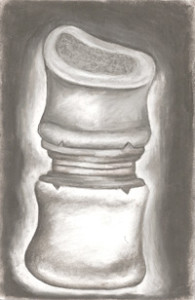 Since the early 1900s, surgeons have addressed serious problems in the spine with “fusion,” a method for stabilizing spinal segments by fusing vertebrae together. This practice continues today in every US state and in most countries throughout the world. Many patients find pain relief with this surgery and regain an active life after the recovery process. Spinal fusion has been performed at every level of the spine; the cervical, thoracic, lumbar, and even sacral regions. While fusion may address some or all of the pain, it also arrests motion. Fusion also may not address the original causes of the problem—especially if the pain is caused by a degenerative disease.
In the 1980s, artificial disc replacement was developed in Europe, where it has been practiced ever since. At this writing, the reports on spinal disc replacement are mixed from both patients and doctors. Though there’s no consensus, there seems to be favorable outcomes with disc replacement in both the short and the long term. The practice of spinal arthroplasty (preserving motion in the spine) effectively began in the United States in 2000, with the first artificial disc implanted in the spine of a Texas patient, using the Charite’ artificial disc. We call the procedure for receiving an artificial disc “ADR,” or artificial disc replacement.
Since then, thousands of US patients have had the surgery for both lumbar and cervical levels. While many have had lumbar and cervical ADR surgery in the United States, thousands of spine patients with multilevel disc disease(s) have traveled overseas to have multi-level disc replacement, as the FDA currently only approves multiple ADR for certain applications called “compassionate use.” In addition, though lumbar ADR was FDA-approved in 2004, many insurance companies continue to refuse coverage to their insured subscribers.
The Arthroplasty Patient Foundation recognizes the complex challenges patients face in treating their debilitating pain. We also recognize the complications involved in seeking treatment: insurance coverage for modern procedures, lack of consensus on clinical studies, poor diagnostics for degenerative disc diseases, and lack of financial resources needed to organize a holistic approach to treatment. These concerns, amongst others, led to the birth of the Arthroplasty Patient Foundation in 2006.
Biologics
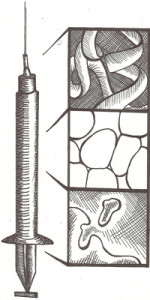 The term “biologics” in the spine world means different things to different people. To a spine patient, it suggests the possibility of receiving a “magical injection” of some high-tech biological elixir to take chronic spine pain away forever. To a doctor, researcher, or clinician, it means an array of new, regenerative technologies that may prevent the need for open spine surgeries, ushering in minimally invasive technologies that are less expensive, less stressful to patients, and hopefully more effective for long-term pain relief.
In 2009, patients saw a dizzying number of new “biologic” treatments announced through press releases, journal articles, and clinical trials. Some therapies are said to be “stand alone,” while others can be based on the culturing a patient’s own cells for regrowth and transplantation. There are different, overlapping versions of how these techniques are helping patients now, ranging from autologous disc chondrocyte transplantation (ADCT) to nucleus regeneration to disc annulus repair. Many of these technologies are in development, with some already available overseas or in US clinical trials.
Other recent spinal treatment techniques are refinements of procedures tried decades ago, with some research going as far back as the 1930s. One technique tried in the 1970s involved the injection of papain (an enzyme from papaya) into the affected spinal disc. While there were many successes, there were also failures that led to the end of these trials. However, new techniques in clinical trials with fibrin-aproptinin solutions have realized hopeful preliminary treatment results. Companies offering these spinal disc injections categorize their products as “interventional spine therapies.”
Stem cell treatment technology has been applied to spine surgeries for several years already in the US, with its first “allogeneic” application in spinal fusions in 2008. Concurrently, stem cell technology as a stand along solution for early cases of disc degeneration has been enthusiastically presented at spinal conferences, but human clinical trials and good results may be years away.
Naturopathic Medicine
Since 2004, the Arthroplasty Patient Foundation has spoken with patients all over the world to learn about their condition and help them by providing information and patient support. Some of these patients have favored a natural treatment option over surgery. It often requires incredible amounts of research to stay current on the myriad techniques for treating back pain. There’s no shortage of “miracle cures” for back pain, but there is certainly a shortage of proven solutions!
We’ve spoken to patients that have never had surgery and were able to find non-surgical alternatives to manage or alleviate their pain. Some of their successful treatments include:
- Trying specific therapies, like exercise, stretching and physical therapy
- Attending structured classes to learn about back care
- Changing their diets, eating enzyme, nutrient, and vitamin-rich foods
- Employing antimicrobial therapies, both natural (e.g. Herbal) and pharmaceutical, to address chronic inflammatory diseases embedded in the spine
- Receiving chiropractic care, massage, or acupuncture
- Using electrical stimulation, neural feedback, or next generation energy medicine treatments (e.g., Ondamed, cold laser)
An experienced naturopathic doctor is usually familiar with these methods, and others, to treat back pain. As well, these alternative treatments offer patients a compelling value: they do not require surgery and some may arguably arrest the cause of disc degeneration.
However, each naturopathic doctor, like any other doctor, has their own approach to treating back pain. They do, however, treat patients holistically, which is something most Americans can really appreciate in the era of specialized medicine and “managed” care.
You must be logged in to post a comment.